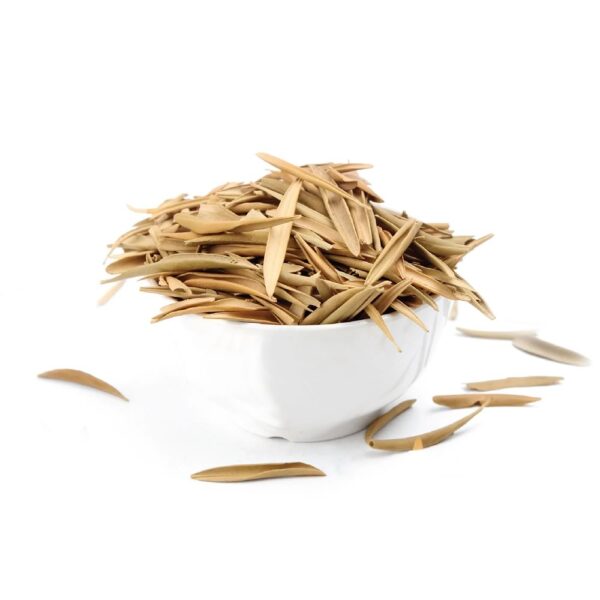





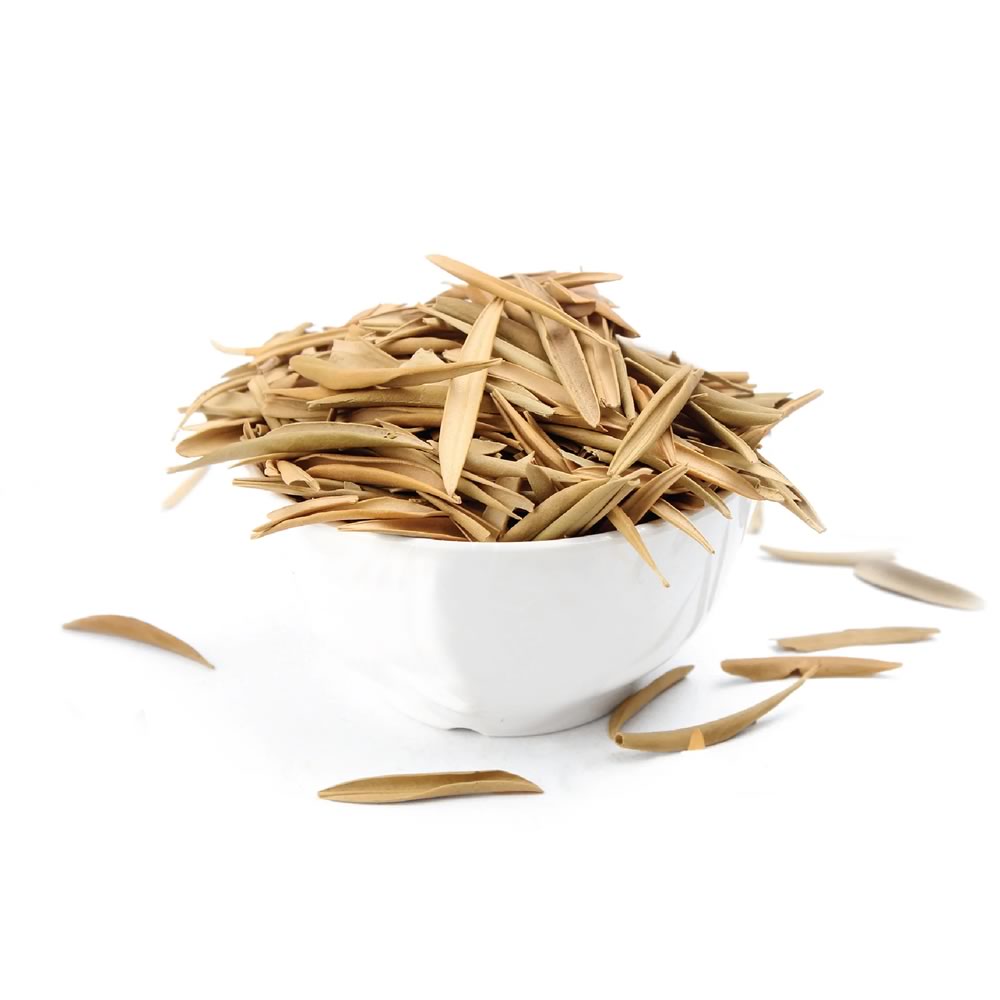
Dried Olive Leaves (20g)
190.00৳
Dried Olive Leaves are a distinctive botanical product traditionally used to prepare herbal tea and infusions. Derived from the olive tree (Olea europaea), these leaves have a naturally earthy, slightly bitter taste and contain plant compounds such as oleuropein and other polyphenols. Enjoy them as a standalone herbal infusion or combine them with other herbs for a personalized tea blend.
All our products are repacked as per order unless mentioned. Listing or availability on the website doesn't always ensure products are in stock.
What are Dried Olive Leaves?
Dried Olive Leaves are the dried leaves of the olive tree, scientifically known as Olea europaea. Although olive fruits and olive oil are widely used in cooking, olive leaves are valued for their traditional use in herbal preparations, particularly olive leaf tea.
With their characteristic herbal aroma and bitter, earthy flavor, dried olive leaves offer an alternative to familiar herbal teas. They can be steeped in hot water or combined with selected herbs to create a distinctive infusion.
Key features
- Botanical identity: Olea europaea
- Product type: Dried botanical leaves
- Traditional use: Herbal tea and infusions
- Flavor profile: Earthy, herbal, and slightly bitter
- Preparation: Steep in hot water and strain
- Suitable for: Adults seeking variety in their herbal tea selection
Note: Confirm the actual product’s cut, origin, processing method, and packaging details before adding specific claims to the product listing.
Health and nutritional interest
Olive leaves contain naturally occurring plant compounds, including oleuropein and other polyphenols, which have attracted scientific interest for their antioxidant properties. However, research on olive leaf extracts cannot automatically be applied to ordinary tea made from dried leaves. Strong evidence of specific health benefits from drinking olive leaf tea remains limited.
Potential areas of interest include:
– Antioxidant compounds: Olive leaves contain polyphenols studied for their antioxidant activity.
– Traditional herbal use: Olive leaf preparations have a long history of use in traditional herbal practices.
– Herbal tea variety: Olive leaf tea offers a caffeine-free infusion option when prepared without tea leaves or other caffeinated ingredients.
– Exploration of plant compounds: Researchers continue to study olive leaf compounds and their potential biological effects.
Important: Dried olive leaves should not be marketed as a proven treatment for diabetes, high blood pressure, infections, or other diseases. They should not replace prescribed medication or professional medical advice.
How to use Dried Olive Leaves
1. Prepare olive leaf tea
Add a small amount of dried olive leaves to hot water, allow them to steep, then strain. The result is a distinctive herbal infusion with a mildly bitter taste.
2. Create a custom herbal blend
Combine with suitable herbs such as mint or chamomile for a different aroma and flavor. Check the suitability of each ingredient before blending.
3. Explore traditional botanical preparations
Dried olive leaves are also used in some traditional herbal preparations. Follow appropriate professional guidance for uses beyond ordinary food-style infusion.
How to prepare olive leaf tea
A simple preparation method is to steep approximately 1 teaspoon of dried olive leaves in 250 ml of hot water for 10–15 minutes, then strain. This is a general preparation example, not an established medical dose; leaf size, processing, and strength vary.
You can adjust the steeping time to suit your taste, but start with a small quantity because the infusion can be bitter.
Safety and storage
– Store dried leaves in an airtight container in a cool, dry place away from sunlight and moisture.
– Keep away from strong odors and humid conditions.
– Consult a healthcare professional before consuming olive leaf preparations if you take medication for blood pressure or blood glucose, or if you have kidney or heart conditions.
– Avoid medicinal use during pregnancy or breastfeeding unless advised by a qualified healthcare professional, as safety information is limited.
FAQ: Frequently asked questions
1. What are Dried Olive Leaves used for?
Dried olive leaves are mainly used to prepare herbal tea and infusions. They may also be combined with other herbs for traditional botanical preparations.
2. What are the health benefits of olive leaf tea?
Olive leaves contain polyphenols, including oleuropein, that have been studied for antioxidant activity. However, evidence is insufficient to confirm that drinking olive leaf tea prevents or treats specific diseases.
3. Does olive leaf tea contain caffeine?
Olive leaf tea prepared only from dried olive leaves is naturally caffeine-free. If you mix it with black tea, green tea, or other caffeinated ingredients, the finished drink may contain caffeine.
4. How do you prepare Dried Olive Leaves for tea?
Steep approximately one teaspoon of dried leaves in 250 ml of hot water for 10–15 minutes, then strain. Adjust the strength according to taste and follow any product-specific preparation instructions.
5. Can everyone drink olive leaf tea every day?
Not necessarily. Safety depends on individual health, the preparation, and the amount consumed. People taking blood pressure or blood glucose medication, those with kidney or heart conditions, and pregnant or breastfeeding individuals should seek professional advice before use.
| Weight | 20 g |
|---|---|
| weight | 25g |
Do you have any questions?
Give us a call or WhatsApp us @ 0133 667 5578 for any queries about our products, special orders, bulk orders or if you want any specific products from international market.