









Dry Lemon Black (Loomi)
140.00৳ – 500.00৳ Price range: 140.00৳ through 500.00৳
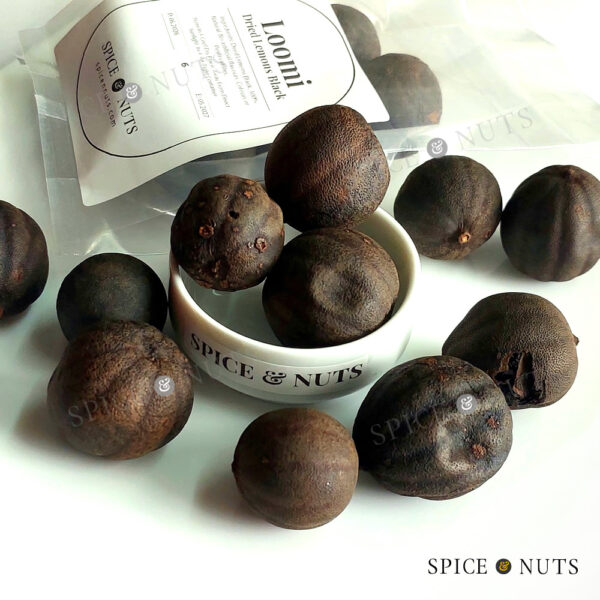
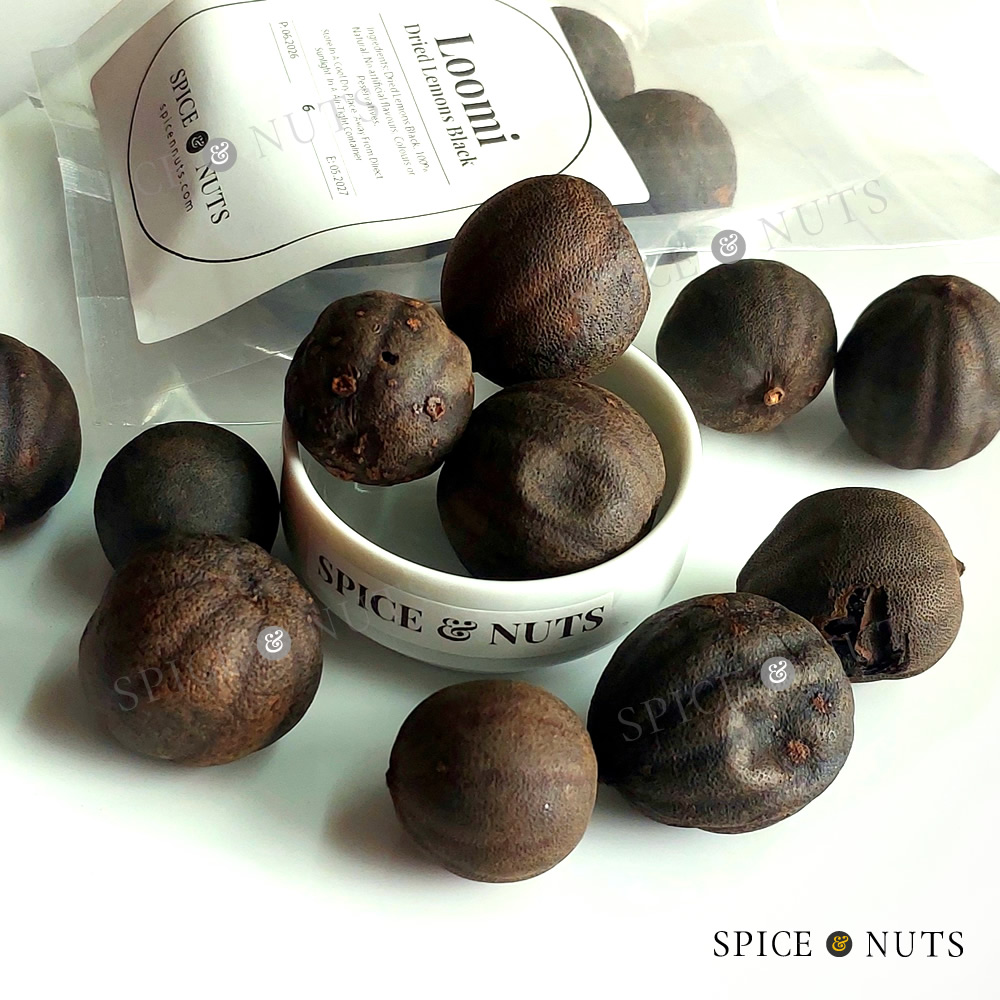
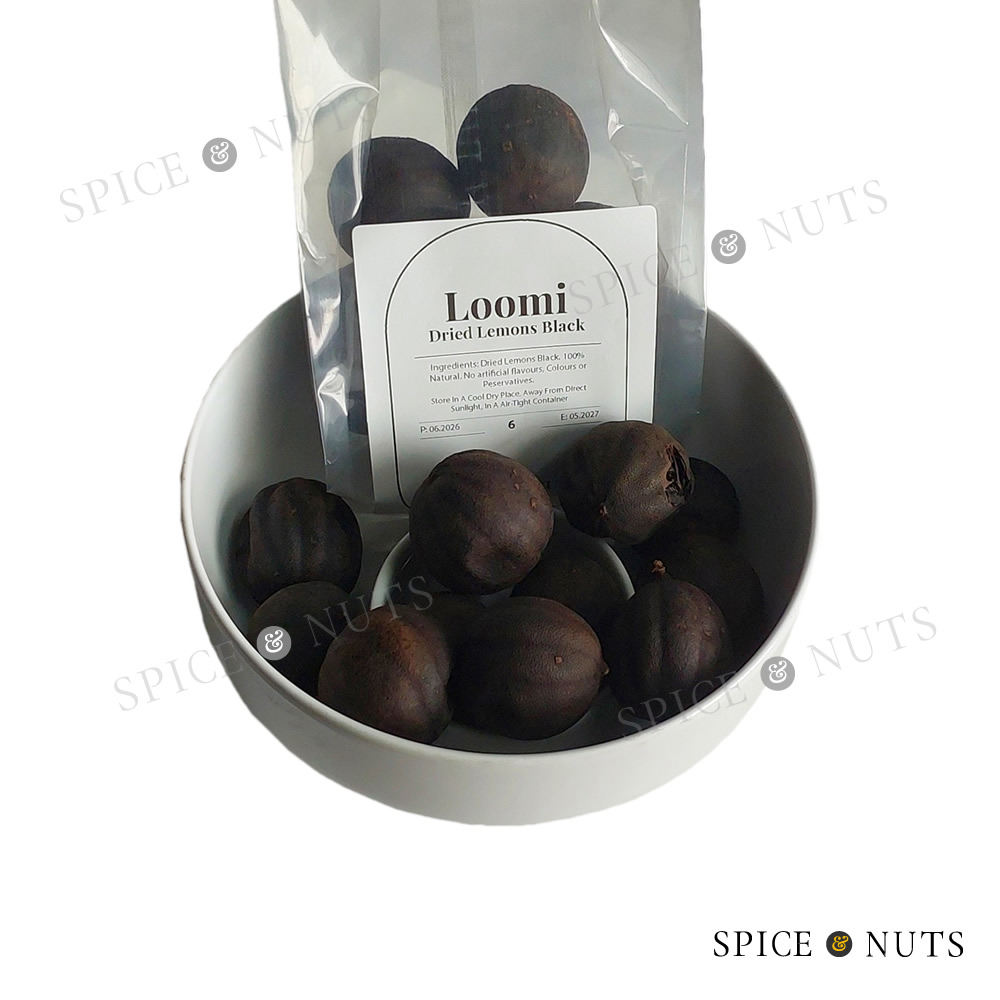
Dry Lemon Black Whole also known as Loomi. (Usually, the pack contains 3 medium sized dry lemons black. If the sizes are small, we compensate with extra lemon(s). The pack may contain bit broken lemon. It is not defects, but it is advised to pierced or sliced before use.
All our products are repacked as per order unless mentioned. Listing or availability on the website doesn't always ensure products are in stock.
Regular size dry lemons black (Loomi).
Dry Lemon Black is also known as Loomi, Omani Lemon, or Black Lime. It is one of the most iconic spices in Middle Eastern and Gulf cuisine. At Spice & Nuts Bangladesh, we bring you premium black lemons that deliver that perfect tangy, slightly smoky citrus depth that elevates every dish.
Made from fresh limes that are boiled in salt water and sun-dried until dark brown or black, this spice adds a beautiful balance of sourness and earthiness. When cooked in soups, stews, or rice dishes, it imparts a refreshing lemony aroma with a complex flavor that’s both zesty and umami-rich.
Popular Uses of Black Dry Lemon:
Essential in Arabic rice dishes like Kabsa, Mandi, and Machboos.
Adds depth to lentil soups, chicken curry, or daal.
Use whole or crushed into stews, marinades, or spice rubs.
Pairs beautifully with lamb, beef, or chicken, balancing richness with tang.
For the Bangladeshi kitchen, black lemon can be your secret ingredient — offering the tang of lemon without the sharp acidity, and a rich aroma that blends beautifully with local spices.
Difference Between Dry Lemon Black and Yellow/Brown:
Both black and yellow dried lemons come from the same fruit, but they differ in processing, flavor, and color:
Black Dry Lemon (Loomi Black):
Boiled and then sun-dried until the skin turns dark brown or black. It has a deep smoky, tangy, and slightly fermented flavor, ideal for slow-cooked dishes and Gulf-style rice.
Yellow or Brown Dry Lemon:
Naturally sun-dried without boiling. It retains a lighter lemony flavor with more acidity and less smokiness, perfect for soups and light dishes.
In short, black lemon is bold and intense, while yellow lemon is bright and citrusy. Both are treasures in Middle Eastern cooking, but black lemon adds that rich, earthy tone loved in Kabsa and Mandi.
FAQ – Frequently Asked Questions
1. What is Dry Lemon Black (Loomi)?
Dry Lemon Black, commonly known as Loomi, Black Lime, Omani Lime, Limoo Amani, or Noomi Basra, is whole lime that has been dried until it becomes dark, hard, and lightweight. It is widely used as a distinctive souring and flavoring ingredient in Persian, Iraqi and Gulf cuisines.
2. Is black dry lemon the same as black lime?
Yes. Despite being commonly called black lemon, Loomi is generally a dried lime, not a conventional lemon. Other names include Omani lime, Limoo Amani and Noomi Basra.
3. What does black dry lemon taste like?
It has an intense sour, tangy, earthy and slightly bitter flavor with distinctive dried or fermented citrus notes. Compared with fresh lemon or lime, Loomi provides a deeper and more complex flavor.
4. How is Dry Lemon Black used in cooking?
Whole Loomi can be pierced or lightly cracked and added to soups, stews, rice dishes and slow-cooked meat. It gradually releases its sour citrus flavor during cooking. It can also be ground into a powder for spice blends, marinades and seasoning.
5. Can I use Loomi in Kabsa and Mandi?
Yes. Black dry lemon is particularly suitable for Kabsa, Mandi, Machboos and other Middle Eastern rice dishes. It adds a characteristic sour citrus depth that complements seasoned rice, chicken, lamb and other meats.
6. How do I use whole black dry lemon?
Pierce the dried lemon several times with a fork or knife before adding it to the cooking liquid. This helps the liquid enter the fruit and allows its flavor to infuse the dish. For a stronger and quicker flavor, you can crack or cut it before cooking.
7. Should I remove the dried lemon before serving?
Usually, yes. Whole Loomi is generally used to infuse flavor during cooking and then removed before serving. Its softened interior can be quite bitter, although some cooks use the flesh as well.
8. Can black dry lemon be used in Bangladeshi cooking?
Yes. You can experiment with Loomi in dal, meat curry, chicken curry, soups, lentils, fish dishes and rice preparations when you want a deeper citrusy sourness. It can provide a different flavor profile from fresh lemon or traditional souring ingredients.
9. Can Loomi replace fresh lemon?
Not exactly. Fresh lemon gives a bright, fresh acidity, while black dry lemon provides a more concentrated, earthy, slightly bitter and complex citrus flavor. They can sometimes serve a similar souring purpose, but they produce noticeably different results.
10. What is the difference between black and yellow/brown dried lemon?
Both are dried citrus fruits, but their appearance and flavor can differ. Black Loomi tends to have a deeper, more intense, earthy and slightly bitter profile, while lighter dried limes generally retain a brighter citrus character.
11. Can I grind black dry lemon into powder?
Yes. Whole dried lemon can be cracked, deseeded if desired, and ground into a powder. Loomi powder is convenient for spice mixes, marinades, meat rubs, soups, rice and other dishes where you want the flavor distributed evenly.
12. What foods pair well with Loomi?
Loomi works particularly well with chicken, lamb, beef, fish, rice, lentils, beans, soups and stews. Its sour citrus character can also balance rich or heavily spiced dishes.
13. Is Dry Lemon Black suitable for Kabsa Spice and Mandi Spice?
Yes. While it is not necessarily included in every commercial Kabsa or Mandi spice blend, whole or ground Loomi is commonly used to add a characteristic sour citrus note to Middle Eastern rice dishes.
14. How should I store Dry Lemon Black?
Keep whole dried lemons in an airtight container in a cool, dry place, protected from moisture, heat and direct sunlight. Keeping them dry helps preserve their aroma and quality.
15. Why are my black dried lemons sometimes cracked or broken?
Whole dried lemons become hard and brittle during drying, so minor cracks or broken pieces can occur during handling and transportation. This does not necessarily mean the product is defective. Spice & Nuts also notes that some packs may contain slightly broken lemons.
16. Why should I buy whole Loomi instead of Loomi powder?
Whole Loomi gives you flexibility: you can use it whole, crack it, slice it or grind it when needed. Grinding it at home can also help preserve its fresh aroma compared with keeping a large quantity of pre-ground powder for a long time.
17. Is Dry Lemon Black the same as Omani Lemon?
The terms are commonly used for the same type of dried lime product. You may see it sold as Omani Lemon, Omani Lime, Black Lime, Loomi, Limoo Amani or Noomi Basra, depending on the region and spelling.
18. Where can I buy Dry Lemon Black (Loomi) in Bangladesh?
You can order Dry Lemon Black (Loomi) from Spice & Nuts (spicennuts.com) Bangladesh through the product page. It is available as whole dried black lemons for cooking dishes such as Kabsa, Mandi, rice, soups, stews and curries.
| quantity | 12, 3, 6, 9 |
|---|
Do you have any questions?
Give us a call or WhatsApp us @ 0133 667 5578 for any queries about our products, special orders, bulk orders or if you want any specific products from international market.