
When it comes to adding depth, color, and heat to your cooking, few ingredients are as versatile as chili and paprika powders. Whether you’re preparing traditional Bangladeshi recipes, experimenting with fusion cuisine, or simply looking to spice up your everyday meals, understanding the unique characteristics of paprika powder, smoked paprika, and other chili powder can transform your culinary creations.
What is Scoville Heat Units (SHU)?
Before we dive into the difference between various chillies or peppers we need to understand what is SHU or Scoville Heat Units. In the world of chili covers SHU is everything.
Developed in 1912 by Wilbur Scoville, Scoville Heat Units (SHU) measure the spicy heat of peppers based on the concentration of Capsaicinoids, ranging from 0 (bell pepper) to over 2 million (Carolina Reaper). The SHU scale historically involved diluting pepper extract with sugar water until the heat was undetectable. Modern, more precise tests often use High-Performance Liquid Chromatography (HPLC).
| Spice | Scoville Heat Units (SHU) | Heat Level | Flavor Profile |
| Regular Chili Powder | 50,000 – 1,00,000 | Hot to Very Hot | |
| Cayenne Chili Powder | 30,000 – 50,000 | Hot | Clean, sharp heat with slight smokiness |
| Kashmiri Chili Powder | 1,000 – 2,000 | Mild | Vibrant color, mild heat, slightly sweet |
| Paprika Powder | 250 – 1,000 | Mild to None | Sweet, slightly fruity |
| Smoked Paprika Powder | 0 – 1,000 | Mild to None | Sweet, smoky, earthy |
What is Paprika Powder?
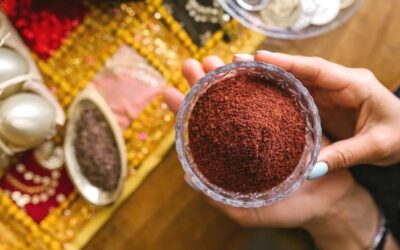
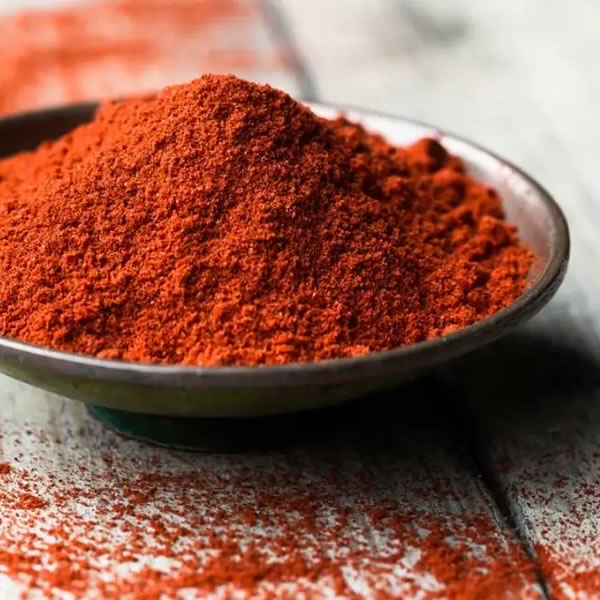
Paprika is made from dried red peppers ground into a fine powder. Unlike common chili powder used in Bangladesh, paprika focuses more on aroma and color than intense heat. This Hungarian-origin spice has become a global pantry staple, valued for its ability to add visual appeal and subtle sweetness to dishes.
It is widely used globally, but its mild nature makes it increasingly popular among Bangladeshi home cooks.
Types of Paprika Powder
There’s mainly three types of paprika powder available;
- Regular paprika powder – Mild warmth + rich red color, made from paprika chili
- Paprika Powder Sweet – Zero heat + slightly sweet aroma, made specically from bell pepper
- Smoked Paprika Powder – Deep smoky + earthy richness (regualr or sweet based on the types of pepper), paprika chili or bell pepper
1. Paprika Powder (Regular All-Purpose Paprika)
Paprika powder is made from dried sweet red peppers, offering vibrant color with minimal heat. This Hungarian-origin spice has become a global pantry staple, valued for its ability to add visual appeal and subtle sweetness to dishes. Usually it is made from paprika chili, the longer types.
Ranging from 250 to 1,000 SHU, paprika is one of the mildest chili powders available. Its flavor is predominantly sweet with fruity undertones, making it perfect for those who want color and flavor without heat.
Key Benefits
✔ Naturally vibrant red color for appetizing dishes
✔ Mild heat suitable for Bangladeshi palates
✔ Enhances aroma without bitterness
✔ Versatile for meat, fish, vegetables, and snacks
✔ Freshly packed for Bangladesh climate conditions
How to use Paprika Powder
Best Uses for Paprika Powder
Deviled eggs and potato salads: Classic garnish that adds color
Goulash and paprikash: Hungarian traditional dishes
Spice rubs for chicken & mutton: Adds beautiful color when roasted
Spanish paella and chorizo: Essential Spanish ingredient
Garnishing hummus and dips: Restaurant-quality presentation
Creamy soups and sauces: Adds depth without overwhelming delicate flavors
Suggested Dishes with Paprika
Hungarian Chicken Paprikash: Creamy chicken in paprika sauce
Spanish Patatas Bravas: Fried potatoes with paprika-tomato sauce
Deviled Eggs: Classic appetizer with paprika garnish
Moroccan Tagine: Slow-cooked stew with warm spices
Greek Octopus: Grilled seafood with olive oil and paprika
Paprika in Bangladeshi Cuisine and Fusion
Traditional Bangladeshi Applications:
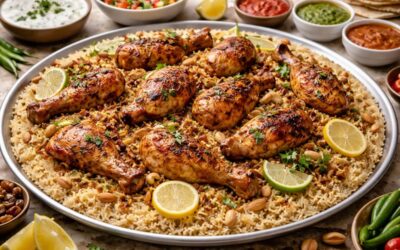
Morog Polao (Chicken Pilaf): Add paprika for color and mild sweetness without overwhelming the aromatic rice
Fish Cutlets: Mix paprika into fish cake mixture for beautiful golden-red color
Egg Curry: Use paprika alongside traditional spices for a milder, colorful gravy
Fusion Ideas:
Paprika-Spiced Bhapa Ilish: Steam hilsa with paprika, mustard, and coconut—a colorful twist on the classic
Bengali-Spanish Jhinga Polao: Prawn pilaf with paprika, saffron, and traditional Bangladeshi spices
Paprika Paratha: Knead paprika into paratha dough for vibrant, slightly sweet flatbreads
Dhakaiya Paprika Chicken Skewers: Marinate chicken in yogurt, paprika, and traditional Bengali spices for colorful kebabs
2. Paprika Powder Sweet (No-Heat Flavor Paprika)
Sweet Paprika Powder is made from dried bell pepper, offers pure pepper aroma and rich color without spiciness. It is ideal for Bangladeshi households seeking flavor depth while keeping dishes gentle and family-friendly.
Key Benefits
✔ No burn — only aroma and color
✔ Perfect for children and mild diets
✔ Natural coloring for festive dishes
✔ Smooth, slightly sweet pepper taste
✔ Premium fine grind for easy mixing
Uses of Sweet Paprika Powder
For the uses pleas erefer to the regular paprika powder mentioned just above.
3. Smoked Paprika Powder Sweet (Bold Smoky Flavor)
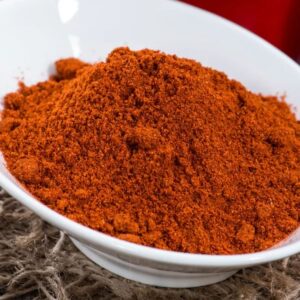
Smoked paprika (Pimentón de la Vera) is made from peppers that are smoked over oak wood before being ground. This Spanish specialty brings a complex, smoky depth that can transform simple dishes into restaurant-quality meals. But most commonly available smoked paprika are just smoked mechanically or any other wood.
Like regular paprika, smoked paprika ranges from 250 to 1,000 SHU, but its standout feature is the intense smokiness. Available in sweet (dulce), bittersweet (agridulce), and hot (picante) varieties, it adds a barbecue-like flavor without the grill.
Key Benefits
✔ Authentic smoky aroma
✔ Restaurant-style depth of flavor
✔ Perfect for meat marinades
✔ Enhances BBQ and fusion dishes
✔ Premium imported quality
How to use Paprika Powder
Best Uses for Smoked Paprika
BBQ sauces and rubs: Instant smoky depth
Roasted vegetables: Elevates simple root vegetables
Spanish chorizo and paella: Authentic Spanish flavor
Chili con carne: Adds depth to the classic stew
Aioli and mayonnaise-based sauces: Transforms plain condiments
Smoky beans and lentils: Vegetarian dishes with meaty depth
Suggested Dishes with Smoked Paprika
Spanish Paella: The signature smoky seafood rice dish
Patatas Bravas: Crispy potatoes with smoky tomato sauce
Smoked Paprika Chicken: Simple roasted chicken with complex flavor
Shakshuka: North African eggs in smoky tomato sauce
Smoky Hummus: Chickpea dip with depth
Paprika in Bangladeshi Cuisine and Fusion
Traditional Bangladeshi Applications:
Bhuna Khichuri: Add smoked paprika to the traditional lentil-rice dish for a smoky, comforting twist
Beef Tehari: Incorporate smoked paprika into this Dhaka-style beef and rice dish for extra depth
Bhorta (Mashed Vegetable Dishes): Mix smoked paprika into begun bhorta (eggplant mash) for smoky richness
Fusion Ideas:
Smoked Paprika Shorshe Ilish: Hilsa in mustard sauce with smoked paprika, combining Bengali tradition with Spanish flair
Char-Grilled Seekh Kebab: Minced meat kebabs with smoked paprika for BBQ-style depth without the grill
Smoky Daal: Traditional lentil curry finished with smoked paprika-infused oil for restaurant-style complexity
Paprika-Smoked Panta Bhat: Fermented rice with smoked paprika, fried onions, and green chilies for a modern twist
Bengali-Style Smoky Prawn Bhuna: Slow-cooked prawns with smoked paprika, creating a fusion of Spanish and Bangladeshi techniques
Final Takeaway for Bangladesh Home Cooks
Paprika and smoked paprika are not a replacement for chili powder — it is an upgrade in aroma, color, and culinary creativity. Whether you cook traditional meals or modern fusion dishes, these three paprika types give you control over heat, depth, and presentation.